

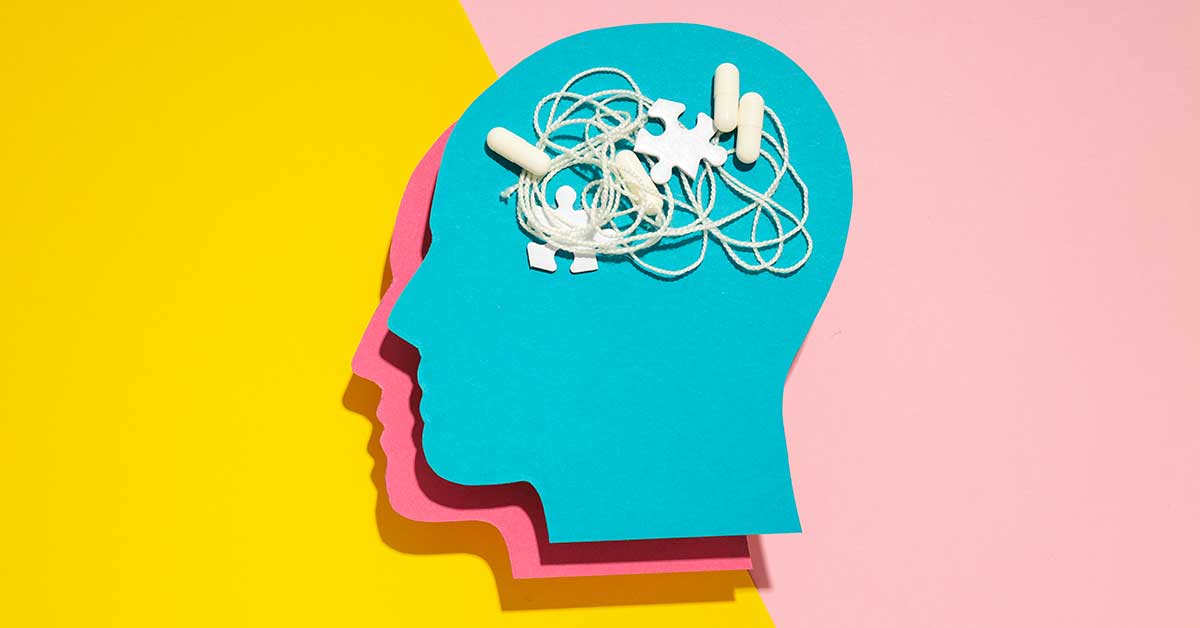
TikTok has emerged as a dominant platform for mental health discussions, particularly among adolescents and young adults. Influencers and users often share content that mimics diagnostic processes for conditions like Attention-Deficit/Hyperactivity Disorder (ADHD), Borderline Personality Disorder (BPD), and Dissociative Identity Disorder (DID), leading teens to self-identify with these labels without professional evaluation. This trend, dubbed “TikTok therapy culture,” warps perceptions of medical legitimacy by presenting anecdotal experiences as authoritative advice. While it can reduce stigma and encourage help-seeking in some cases, empirical evidence highlights significant dangers: trivialization of genuine mental illnesses, promotion of unsafe coping mechanisms, and exploitation of vulnerable youth for engagement metrics. This report, updated as of August 4, 2025, draws on peer-reviewed studies, news analyses, and real-world examples to outline the phenomenon, its harms, acronym definitions for clarity, and actionable recommendations. Data indicates that misleading content dominates, with over 80% of mental health videos on TikTok containing inaccuracies, potentially exacerbating symptoms like anxiety and depression among users under 24.
What’s Happening: The Rise of TikTok as a Pseudo-Diagnostic Tool
TikTok’s algorithm prioritizes short, engaging videos, making it an ideal medium for mental health content that garners billions of views under hashtags like #MentalHealth (over 1 billion cumulative views as of 2022). Teens, who spend an average of 80-90 minutes daily on the app, encounter influencers “diagnosing” conditions through relatable symptoms—e.g., forgetfulness as ADHD, mood swings as BPD, or “switches” in personality as DID. A cross-sectional analysis of 100 top #MentalHealth videos found that nearly half expressed symptoms of mental distress, often framed as self-diagnoses shared for validation or community building.
This leads users to adopt these identities hastily, without understanding the clinical criteria or nuances. For instance, a 2023 study noted a surge in self-reported ADHD among youth exposed to TikTok content, correlating with increased treatment-seeking but often based on incomplete information.
The platform’s format encourages performative vulnerability: users film “day in the life” videos showcasing symptoms, fostering echo chambers where self-diagnosis is normalized. A quantitative content analysis of high-engagement videos on depression and anxiety revealed that personal experience narratives dominate, achieving higher views and likes than evidence-based content.
This creates a cycle where teens claim identities they may not fully comprehend, viewing them as “trendy” or explanatory for everyday struggles.
Why It’s Dangerous: Trivialization, Harmful Coping, and Dependency
Self-diagnosis via TikTok trivializes complex mental illnesses by reducing them to viral tropes, eroding empathy for those with formal diagnoses. It encourages unsafe behaviors, such as self-medicating with unverified supplements or adopting harmful “coping strategies” like isolation or self-harm glorification. A 2025 study found that 83.7% of mental health advice on TikTok is misleading, with 14.2% containing potentially damaging content, including promotion of dubious quick-fixes.
Frequent TikTok use is linked to heightened anxiety and depression symptoms, particularly in users under 24, as algorithmic exposure amplifies distress.
Dependency on unqualified influencers arises as teens seek validation from online communities rather than professionals, delaying proper care. An analysis of ADHD-related videos showed 52% were misleading, potentially leading to incorrect self-perceptions and stigmatization.
This manipulation exploits youth vulnerability—adolescents exploring identity are drawn to content that promises belonging, but it often reinforces negative self-views without therapeutic support.
How Social Media Warps Medical Legitimacy and Manipulates Vulnerable Youth
Social media platforms like TikTok democratize information but distort legitimacy by prioritizing engagement over accuracy. Algorithms push content based on watch time and shares, favoring sensationalized narratives—e.g., dramatic “symptom checklists” or “alter introductions” for DID—over nuanced, expert-backed advice. A 2024 pilot study on youth attitudes toward self-diagnosis found that teens entering mental health treatment often cite TikTok as a primary source, viewing it as more accessible and relatable than traditional medicine.
This warps legitimacy: unqualified creators gain “expert” status through follower counts, manipulating youth by blending entertainment with pseudo-therapy.
Vulnerability is key—teens facing identity exploration, isolation, or limited access to care are prime targets. A 2023 honors thesis on perceived reliability of TikTok videos showed positive correlations between viewing time and self-diagnosis tendencies, with users trusting content that aligns with their experiences despite inaccuracies.
Platforms profit from this: harmful content is recommended every 39 seconds to new teen accounts, including self-harm and eating disorder material, per a 2022 NGO report.
This creates “algorithm-driven contagion,” where users mimic symptoms for social capital, turning mental health into a performative brand.
Empirical data underscores the scale:
- Misinformation Prevalence: Over 50% of top 100 mental health TikToks contain inaccuracies, promoting questionable supplements and healing methods.
- Demographic Impact: 2025 systematic review linked problematic TikTok use to worsened mental health in under-24s, with self-diagnosis amplifying symptoms.
- Stigmatization Risks: False self-diagnoses reinforce stereotypes, as seen in a 2024 study on DID trends among teens.
Real-Life Scenarios: Graphic Illustrations of Harm
To underscore the seriousness, consider these documented cases where TikTok self-diagnosis led to tangible harm. These scenarios highlight delayed treatment, medical crises, and psychological damage.
Mimicking Tourette’s for Attention, Leading to Social Isolation and Bullying: A 16-year-old girl in the U.S., influenced by TikTok videos of influencers with Tourette’s syndrome, began exhibiting tics like sudden shouts and jerks in school. She self-diagnosed via symptom checklists and joined online communities for validation. However, classmates accused her of faking for attention, leading to severe bullying—including physical assaults and cyberharassment that escalated to doxxing her home address. Removed from social media by parents, her symptoms vanished within weeks, but the trauma left her with anxiety requiring therapy. Experts term this “algorithm-driven contagion,” where teens adopt behaviors for belonging, only to face real-world rejection.
Self-Diagnosed BPD Resulting in Self-Harm Escalation and Hospitalization: A 15-year-old boy from Baltimore watched TikTok videos on BPD, identifying with “emotional dysregulation” clips. He began cutting himself as a “coping mechanism” suggested in user comments, posting graphic videos of bloodied arms for community support. Encouraged by likes and comments like “You’re valid,” his cuts deepened, leading to a severe infection requiring emergency surgery. His parents discovered the app’s role only after hospitalization; therapists noted the content trivialized BPD, turning a serious disorder into a badge that normalized self-harm. He later admitted feeling “dependent” on the validation, delaying professional help for months.
DID Self-Diagnosis Causing Identity Fragmentation and ICU Admission: A 17-year-old Canadian teen with Ehlers-Danlos Syndrome (EDS) self-diagnosed DID after TikTok videos of “alters” switching personalities. She mimicked symptoms, refusing medical care for her physical condition, believing it was a “trauma response.” During a flare-up, she ignored pain, leading to a collapse and Intensive Care Unit (ICU) admission for organ failure. Emergency Room (ER) doctors initially dismissed her as an “attention seeker” due to the prevalence of TikTok fakers, delaying treatment—echoing complaints from legitimate patients that self-diagnosers erode trust in healthcare.
Post-recovery, she required intensive therapy to unpack the false identity, which had worsened her isolation and self-doubt.
ADHD Misdiagnosis Leading to Dangerous Self-Medication: A 14-year-old girl in the UK, after viewing misleading ADHD TikToks (52% inaccurate per studies), experimented with caffeine pills and borrowed stimulants from friends to “focus better.” This escalated to an overdose, causing heart palpitations and a panic attack mistaken for a “BPD episode.” Hospitalized with arrhythmia, she revealed relying on TikTok for “diagnosis” because it felt “less scary” than doctors. The incident highlighted how misinformation leads to physical harm, with her family noting permanent anxiety from the ordeal.
These cases illustrate the graphic fallout: physical scars, medical emergencies, and eroded trust in systems, often compounded by platforms’ failure to flag harmful content.
Acronym Definitions
To ensure clarity, the following acronyms used in this report are defined with their full forms, explanations, and examples relevant to the context of TikTok therapy culture.
- ADHD (Attention-Deficit/Hyperactivity Disorder): A neurodevelopmental disorder characterized by persistent inattention, hyperactivity, and impulsivity that disrupts functioning. Diagnosed via clinical criteria (e.g., DSM-5), it often requires behavioral or medical interventions. Example: A student constantly losing focus in class might be diagnosed with ADHD after professional evaluation, but on TikTok, a teen might self-diagnose based on a video about “difficulty concentrating,” leading to inappropriate self-medication, as seen in the UK girl’s overdose case.
- BPD (Borderline Personality Disorder): A mental health condition involving unstable emotions, relationships, and self-image, often with impulsive behaviors and fear of abandonment. It requires specialized therapy like dialectical behavior therapy (DBT). Example: The Baltimore teen self-diagnosed BPD from TikTok, adopting self-harm as a “coping strategy” after seeing it validated online, which led to severe injury and hospitalization.
- DID (Dissociative Identity Disorder): A rare dissociative disorder where a person experiences multiple distinct personality states (alters), often linked to severe trauma. Diagnosis involves extensive clinical interviews. Example: The Canadian teen with EDS mimicked DID “alters” from TikTok, ignoring her physical symptoms, which delayed treatment and led to an ICU stay for organ failure.
- APA (American Psychological Association): The leading U.S. organization for psychologists, advancing research, standards, and advocacy in mental health. Example: The APA provides resources to counter TikTok misinformation, such as guidelines clinicians can use to educate teens on distinguishing self-awareness from clinical diagnosis.
- NHS (National Health Service): The UK’s publicly funded healthcare system, offering free mental health services to residents. Example: A teen could access NHS counseling for anxiety instead of relying on TikTok’s misleading ADHD advice, which might prevent incidents like the UK girl’s stimulant overdose.
- FTC (Federal Trade Commission): A U.S. agency protecting consumers by regulating deceptive practices, including online misinformation. Example: Advocating to the FTC for stricter TikTok algorithm oversight could reduce the spread of harmful mental health content, as suggested in the call to action.
- EDS (Ehlers-Danlos Syndrome): A group of connective tissue disorders causing joint hypermobility, chronic pain, and organ issues if untreated. Example: The Canadian teen’s untreated EDS led to collapse because she attributed symptoms to DID, influenced by TikTok, resulting in ICU admission.
- ICU (Intensive Care Unit): A hospital unit for critically ill patients requiring intensive monitoring and life support. Example: The teen with EDS was admitted to the ICU after organ failure from neglecting her condition, misled by TikTok’s DID content.
- ER (Emergency Room): A hospital department for urgent care of acute conditions, operating 24/7 with triage systems. Example: The Canadian teen’s ER visit was delayed by doctors’ skepticism, influenced by TikTok-driven faking trends, highlighting how self-diagnosis erodes medical trust.
Call to Action: Mitigating the Trend
Addressing TikTok therapy culture requires multifaceted intervention:
- For Individuals and Families: Encourage critical media literacy—teens should cross-reference symptoms with accredited sources like the American Psychological Association (APA) or National Health Service (NHS)websites. Parents: Monitor app use, discuss content openly, and prioritize professional evaluations over online quizzes. If self-diagnosis arises, seek therapists specializing in adolescent media influences.
- For Educators and Clinicians: Integrate digital health education into curricula, teaching the difference between awareness and diagnosis. Mental health professionals: Use tools like physician engagement platforms to counter misinformation, as outlined in a 2025 APA focus.
- For Platforms: TikTok must enhance content moderation—partner with experts to label misleading videos and promote verified creators. Implement age-gated restrictions on sensitive mental health tags and algorithm tweaks to prioritize evidence-based content.
- Broader Societal Steps: Advocate for regulations via petitions to bodies like the Federal Trade Commission (FTC), demanding transparency in algorithms. Support research funding for long-term studies on social media’s mental health impacts. Ultimately, foster a culture where vulnerability is met with professional support, not viral exploitation—start by sharing accurate resources and amplifying licensed voices.