
The United States is in the middle of a transformation that our schools are not ready for. The industries that once defined the American economy—steel, coal, textiles, and assembly-line manufacturing—have given way to automation, AI, biomanufacturing, data engineering, and clean energy. Yet our schools, our teacher training programs, and even our mindsets remain anchored to a world that no longer exists.
The painful truth is that we are preparing students for our past, not their future.
Our classrooms still run on the same operating system that powered education in the 1950s: memorization, standardized testing, spelling quizzes, and scripted lessons. Many students are still required to practice cursive writing weekly, memorize 200 vocabulary words, and take Friday spelling tests while global industries are hiring AI engineers, data analysts, and renewable energy technicians at record rates. According to the Bureau of Labor Statistics (2024), the fastest-growing jobs in America are in science, technology, and advanced manufacturing—fields that require critical thinking, adaptability, and digital literacy. Yet, our K–12 system continues to produce graduates who are unprepared for those demands.
The Generational Disconnect
Most teachers currently in classrooms were educated for an entirely different economy. They succeeded in a system where following directions, memorizing facts, and mastering compliance led to stable jobs. But today’s industries reward innovation, collaboration, and technical agility. The uncomfortable reality is that many teachers are unable to perform the roles they are preparing students for. A 2023 National Science Foundation report found that fewer than 18% of K–12 teachers have taken a computer science or engineering course in the past decade.
Even when schools invest in technology—such as laptops, tablets, and digital curriculum—the tools often sit underused. Teachers often rely on prepackaged software because they lack the training or confidence to integrate technology into their lessons effectively. Many educators openly admit that they “teach the way they were taught,” believing that if they wait long enough, education will return to its former state. But it won’t. And if we continue pretending that it will, our students will pay the price.
The Cost of Staying Behind
American schools, by conservative estimates, are five to ten years behind in current technology adoption. The result is catastrophic learning gaps. The National Assessment of Educational Progress (2023) shows that only 26% of eighth graders are proficient in math, and fewer than one in three can apply scientific reasoning to real-world problems. Employers are alarmed: 79% say new graduates lack the soft skills—communication, adaptability, teamwork—that technology-driven workplaces require (U.S. Chamber of Commerce, 2024).
Industry leaders say they can teach technical skills, but they need schools to produce students who can think critically, solve problems, and communicate effectively. Instead, students are trained to follow instructions without questioning them.
Real-World Impact: Three U.S. Examples of Educational Obsolescence
1. The Manufacturing Desert in Ohio
Intel’s $20 billion semiconductor plant in New Albany was supposed to symbolize the rebirth of American manufacturing. Instead, it’s been delayed twice because the region cannot supply enough skilled technicians or engineers. Local schools offer traditional academic tracks but little hands-on learning or applied STEM education. Students graduate without ever having touched the equipment for which they could be paid six figures to operate (Reuters, 2024)
2. The Teacher Tech Gap in California
In Silicon Valley—home to the world’s tech giants—nearly 60% of public school teachers report they are “uncomfortable” using the very technologies their students need to master (California Department of Education, 2023). Many rely on preloaded apps or scripted lessons rather than teaching students to build, code, or innovate. The region that leads global technology still sends graduates into the workforce without digital fluency.
3. The Rural Healthcare Crisis in the South
Hospitals across Alabama and Mississippi are closing labs because there are not enough trained technicians. High schools in these areas still emphasize rote academics while ignoring healthcare technology training. A 2024 American Hospital Association report found that the average rural hospital position remains open for over nine months. In communities where poverty and unemployment are highest, students are being prepared for jobs that no longer exist.
Why Our Education System Can’t Keep Up
Teacher colleges, built to train educators for an industrial-age classroom, are largely obsolete. The newest teachers—digital natives—are more adept at using technology and connecting learning to real life. However, they often enter rigid systems that are resistant to change, where veteran educators and outdated certification requirements limit innovation.
This generational divide has paralyzed reform. Older educators often distrust modern technology and pedagogy, while younger teachers are discouraged from challenging “the way it’s always been done.” The result is a system trapped between nostalgia and necessity.
The Urgent Solution: The Factory-School Model
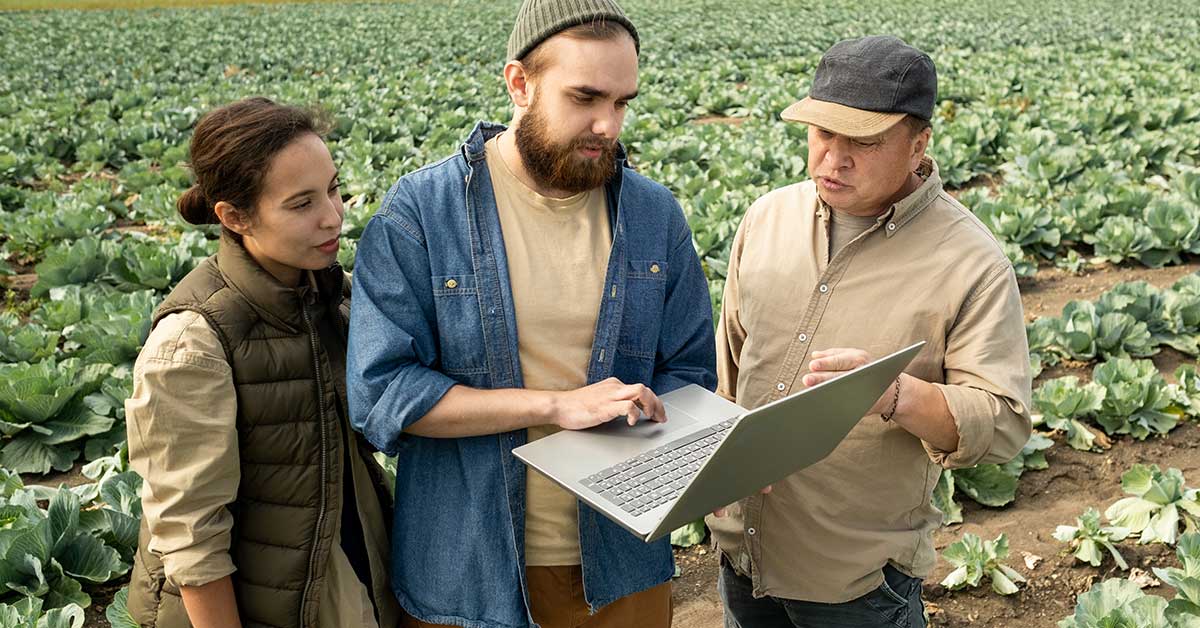
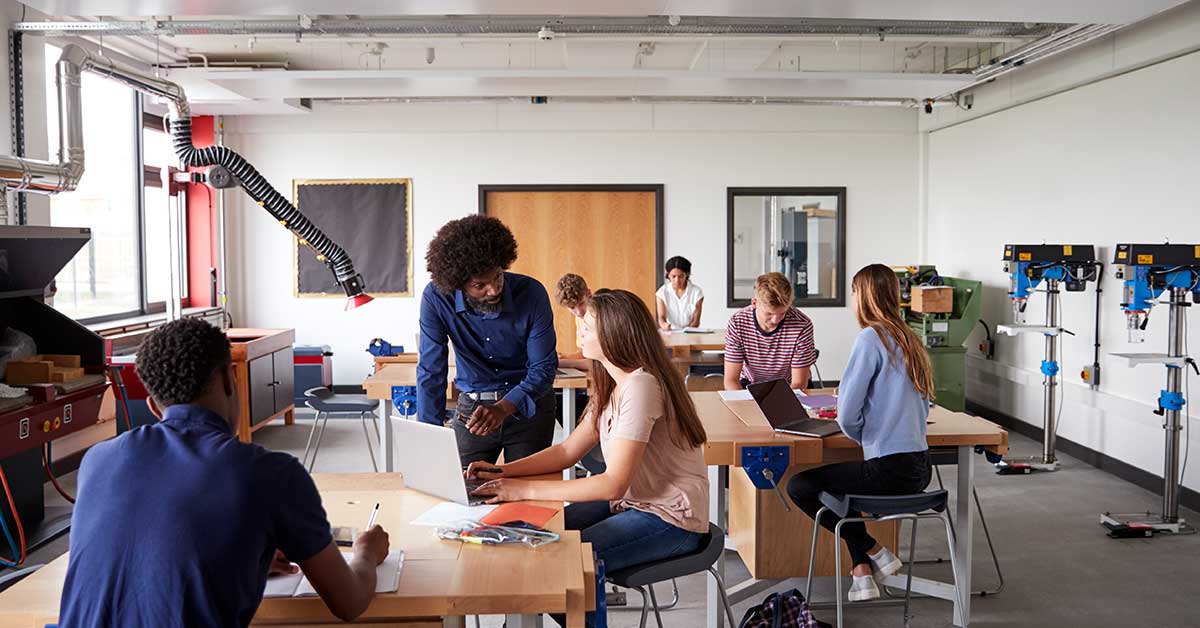
The only viable path forward is a complete re-engineering of the interaction between education and industry. Schools must move into factories, labs, and innovation centers—spaces where students learn directly from the environments shaping the modern economy.
This Factory-School Model transforms industrial and technological hubs into living classrooms. Students and adults learn side by side, earning wages, credentials, and degrees in the same facilities where products are designed, tested, and produced. It eliminates transportation and scheduling barriers that cripple traditional apprenticeship programs and gives students direct exposure to technologies they would otherwise never see.
In North Carolina, bio-manufacturing companies have already adopted this model by integrating community college programs into their active production sites. Students graduate with both certifications and work experience, reducing training costs for employers by 60% (North Carolina Biotech Center, 2023). In Michigan, Ford’s Rouge Electric Vehicle Center integrates classrooms into production lines, where students earn industry credentials before graduating high school.
This is not just workforce training—it’s economic transformation. Schools become extensions of the industries they serve. Employers invest in education not as charity but as strategy. Universities credential and validate the learning that happens on-site, giving students pathways to higher education without crippling debt.
The ROI of Reality-Based Education
The return on investment is undeniable. Apprenticeship-based education yields $1.44 for every $1 spent (Urban Institute, 2022). Employers reduce turnover, increase productivity, and gain loyal workers. Students earn while they learn and graduate debt-free. Communities gain sustainable economic growth and youth retention.
The alternative is decline. If the U.S. continues to graduate students fluent in spelling tests but illiterate in data analytics, the reshoring movement will fail. The American dream will become unsustainable not because we lack ideas, but because we refuse to evolve.
The Hard Truth
Education cannot continue to pretend that laptops and digital worksheets are equivalent to innovation. One-to-one devices are not transformation—they are window dressing. What matters is what students do with technology, not whether they have access to it. The modern workforce requires collaboration, coding, problem-solving, and adaptability—skills that can’t be taught through textbooks or test prep.
If we continue preparing students for our past, we will rob them of their future.
Our schools must move beyond nostalgia and into reality. Teachers must evolve into facilitators of innovation, not guardians of outdated methods. Industries must open their doors to become educators, and universities must validate learning wherever it happens—on the factory floor, in the data lab, or inside the community.
This is not just an education reform. It is a national security imperative. Our economic strength, technological leadership, and sustainability depend on producing a generation ready for the world that exists—not the one we remember.
The clock is ticking. The question is no longer whether we can change—but whether we are willing to.
References
American Hospital Association. (2024). Health care workforce trends and shortages report 2024. Washington, DC: AHA Research.
Bureau of Labor Statistics. (2024). Employment projections for technical occupations, 2024–2030. Washington, DC: U.S. Department of Labor.
California Department of Education. (2023). Technology integration and teacher proficiency survey report. Sacramento, CA.
National Assessment of Educational Progress. (2023). The nation’s report card: Math and science achievement.Washington, DC.
National Science Foundation. (2023). STEM education data and trends report 2023. Arlington, VA.
North Carolina Biotech Center. (2023). Biomanufacturing workforce readiness report. Research Triangle Park, NC.
Reuters. (2024, March 8). Intel delays Ohio chip plant over shortage of skilled U.S. workers.
U.S. Chamber of Commerce. (2024). Workforce trends and skills shortage analysis 2024. Washington, DC.
Urban Institute. (2022). Do employers earn positive returns to investments in apprenticeship? Findings from the American Apprenticeship Initiative. Washington, DC.